The Evolution of British Fashion: From Heritage to Streetwear
The evolution of British fashion is a narrative of tension and fusion. In 2026, the industry is no longer defined by a choice between “heritage” (the stiff, storied tailoring of Savile Row) and “streetwear” (the gritty, music-led culture of the city). Instead, the two have merged into a new, dominant aesthetic: Heritage-Street.
Here is how British fashion moved from the palace to the pavement and where it stands today.
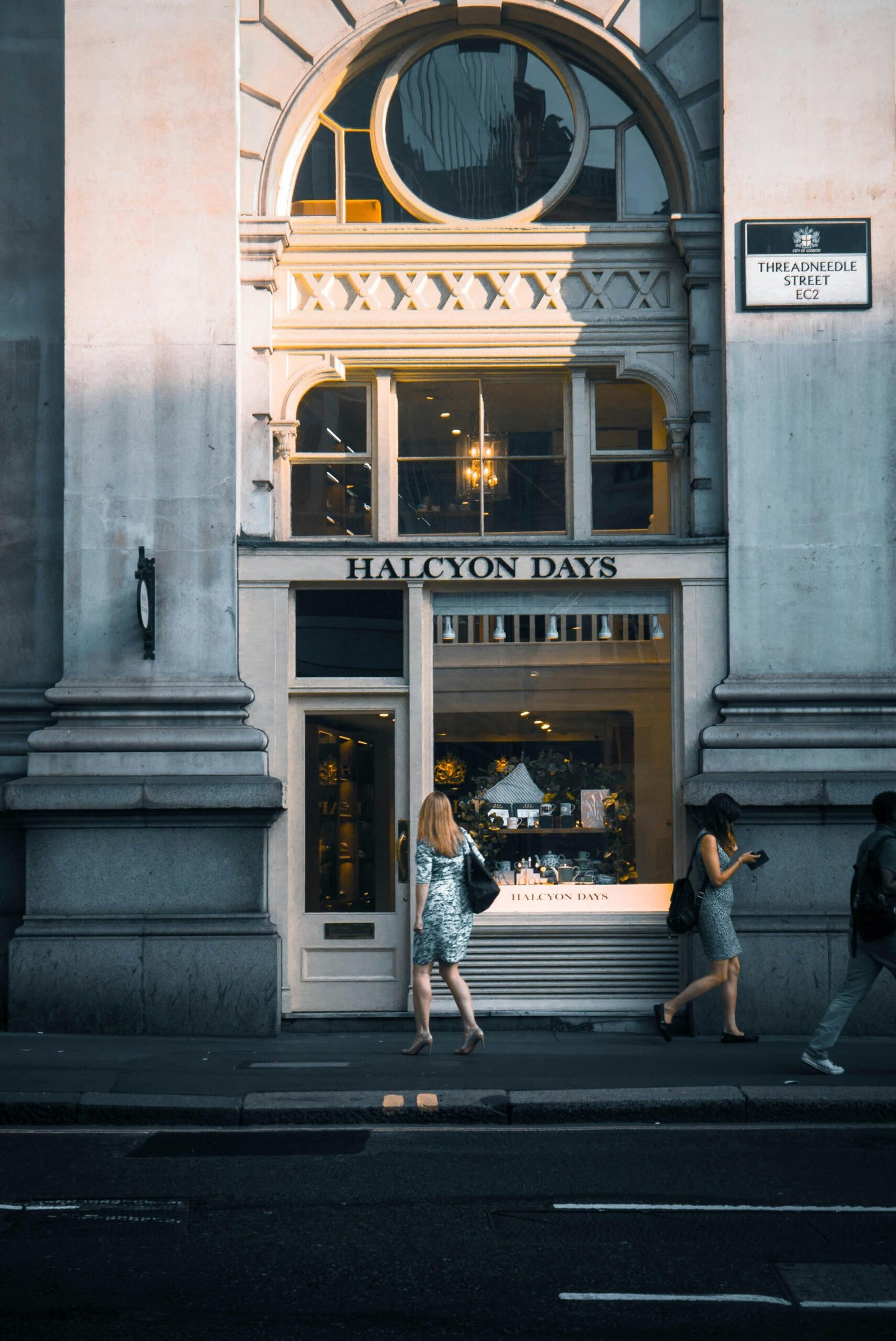
🏛️ 1. The Heritage Foundation (1800s – 1950s)
For over a century, British fashion was defined by craftsmanship and class.
- Savile Row: The global epicenter of bespoke tailoring, focusing on structure, wool, and silhouette.
- Country Styles: Brands like Burberry and Barbour developed functional, weather-resistant clothing for the landed gentry—trench coats and waxed jackets that became synonymous with British identity.
- The “Uniform” Mentality: Style was rigid, hierarchical, and dictated by occasion.
🎸 2. The Subcultural Disruptors (1960s – 1990s)
British streetwear didn’t start with sneakers; it started with music and rebellion.
- The Mods & Punks: 1960s Carnaby Street and 1970s King’s Road broke the heritage rules. Punks, led by Vivienne Westwood, deconstructed tailoring and used safety pins and tartan as symbols of defiance.
- The Terrace Culture: In the 1980s, football fans (“Casuals”) began importing high-end Italian sportswear, blending the “smart” look of heritage with the practicality of the terraces.
- The Nineties Grunge: Designers like Alexander McQueen brought the raw energy of London’s streets to the high-fashion runway, proving that “street” could be “couture.”
📊 2026: The New British Fashion Landscape
| Category | Key 2026 Players | The “Fusion” Element |
| High-End Heritage | Burberry (Daniel Lee) | Trench coats paired with technical trainers and bold, urban colors. |
| Luxury Streetwear | Represent, A-COLD-WALL* | Industrial materials (metal, nylon) used in refined, tailored silhouettes. |
| Cultural Storytellers | Wales Bonner | Blending Savile Row tailoring with West African and Caribbean textiles. |
| The “Hype” Wave | Corteiz, Palace | Built on exclusivity and “Limited Drops” inspired by London youth culture. |
🏙️ 3. Streetwear as the New Status Symbol (2010s – 2026)
In 2026, streetwear is the undisputed engine of British retail.
- “Drop” Culture: Brands like Corteiz have mastered the art of “guerrilla marketing,” using social media to create massive hype for limited-edition items, often bypassing traditional retailers entirely.
- Luxury Mergers: The line between a hoodie and a suit has vanished. It is now standard to see a bespoke wool blazer from Paul Smith paired with heavy-weight joggers from an emerging Leeds-based label like MKI Miyuki Zoku.
- Tech-Driven Design: 2026 streetwear is “Smart.” Brands are integrating heat-sensitive fabrics and NFC chips into deconstructed hoodies to prove authenticity and track environmental impact.
🌿 4. The 2026 “Green” Heritage
The most significant shift this year is the marriage of Sustainability and Heritage.
- Circular Fashion: Heritage brands are leaning into their “built-to-last” reputation. Barbour now offers extensive “Re-Wax” and repair services, positioning old, battered jackets as more fashionable than new ones.
- Waste-to-Wear: Emerging designers like Bethany Williams are using recycled materials and textiles destined for landfills to create high-fashion streetwear, proving that the future of British style is conscientious.
💡 The 2026 “Signature Look”
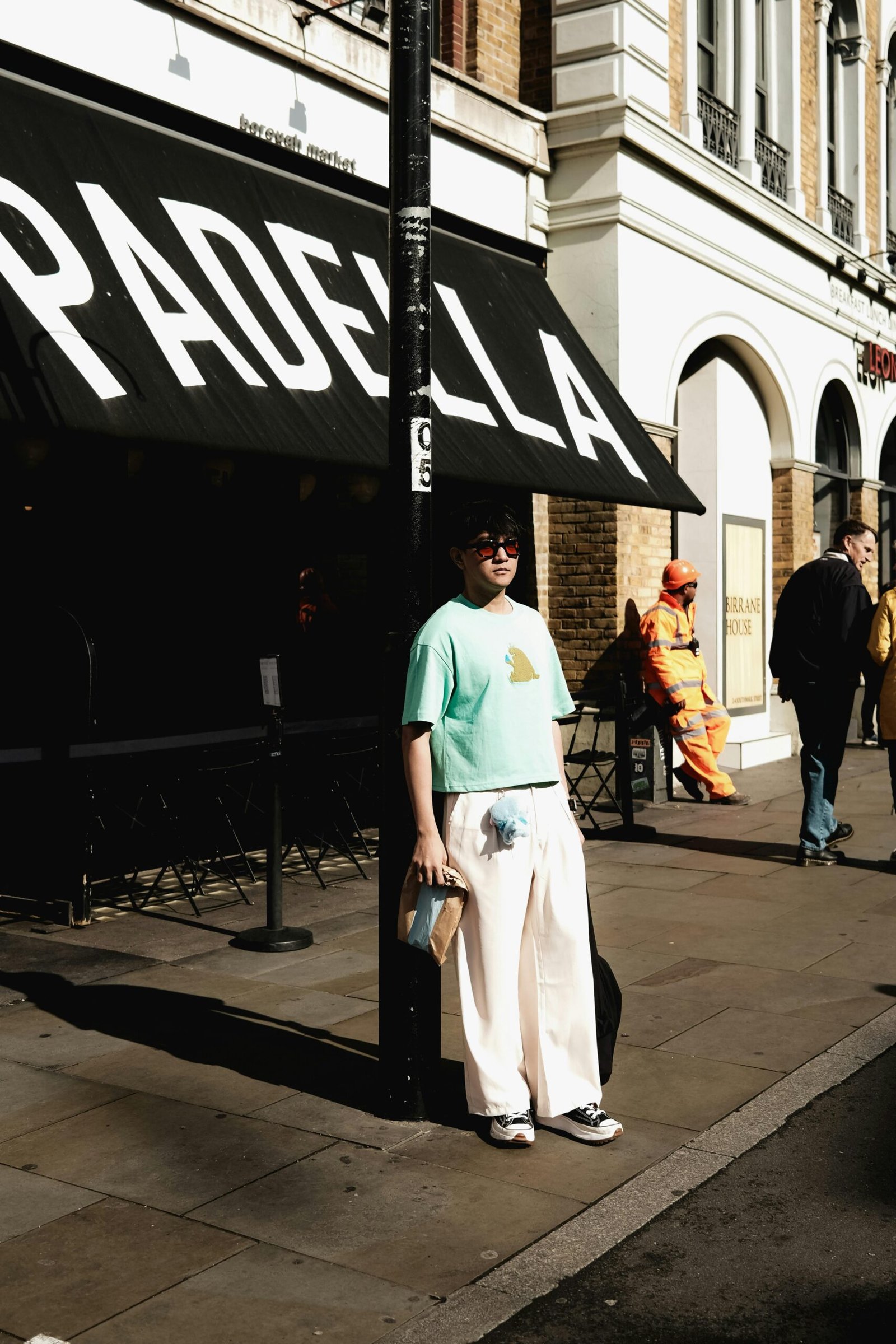
If you walk through East London today, the “British Look” is a Heavy-weight oversized deconstructed hoodie, a Vintage Burberry-esque trench, and Technical Gore-Tex sneakers. It is a look that honors the past while being ready for a high-speed, digital future.
You may also like
Leave a Reply